
Because homeowners’ association (HOAs) fence rules are meant to keep the neighborhood looking uniform, fencing is one of the first things an HOA board weighs in on when a homeowner wants to make changes to their property. Most Denver HOAs require a written request, a list of materials, and sometimes a survey before approving a project. Although the red tape can be cumbersome, homeowners who learn the common HOA fence rules in advance usually have an easier approval process. We’ll explain what those rules typically include, how the approval process works, and which fence styles are easiest to get approved.
HOA Fencing Explained: Why Neighborhoods Set These Rules
An HOA oversees many aspects of a neighborhood’s exterior features, including the types of fencing that members can install. The rules cover details like height, material, and color because these choices affect the neighborhood’s overall look. These HOA fence rules prevent individual choices from conflicting with neighborhood standards, and paying attention to these regulations has become increasingly important for Coloradans. According to Realtor.com data reported by Axios, more than half of Colorado homes listed for sale in 2025 carried HOA fees. If you’re in this majority, an ounce of prevention is worth a pound of fees and headaches.
Colorado HOA boards must follow certain rules set by the state. Under the Colorado Common Interest Ownership Act, HOAs have the authority to review and approve fencing, which allows HOAs to set architectural standards and explains how they should fairly and consistently review homeowner requests.
Breaking Down the Most Common HOA Fence Rules
Every HOA writes its own governing documents, so the specifics vary from one community to the next. Most Denver associations build their HOA fence rules around the same three categories: height, materials, and placement, and knowing what falls under each one makes it easier to plan a project that clears review on the first try.
Height Restrictions
Most HOAs in Denver set height limits for backyard fences at around six feet, and front yard fences are usually limited to about four feet. Corner lots often have extra restrictions to ensure visibility at intersections, because tall fences near the curb can block drivers’ sightlines. It’s important to note that pool enclosures may be an exception to lower height limits because Colorado building codes have safety requirements for barriers around water that can take precedence over HOA rules.
Approved Materials and Colors
Associations often restrict which materials can be used for fences, usually prefering options like cedar and wood, vinyl, or decorative metal fences. Chain link fences are generally only allowed for utility areas or side yards. The color guidelines typically specify natural wood tones or neutral, muted shades that match the existing homes in the neighborhood.
Setback and Property Line Requirements
A fence typically needs to sit a set distance from the property line, sidewalk, or shared boundary, and some HOAs require a licensed survey to confirm the fence sits exactly where the plans say it will. Skipping this step is one of the more common reasons a request gets sent back for revision, since a fence that ends up a few inches over the line becomes the homeowner’s responsibility to move.
How the HOA Approval Process Works
Once you know what fence rules your HOA looks for, the approval process is usually straightforward, from paperwork to approval.
Submitting a Fence Request for Review
Most associations require homeowners to submit a written application to their review committee. The application should include a site plan showing where the fence will be installed, the proposed materials, and often a photo or rendering of the finished fence. Review times vary by association, typically taking a few weeks. Submitting your application early can help ensure the project stays on schedule, especially if you have a specific installation date in mind.
What to Include for a Faster Approval
A complete submission usually sees a quicker turnaround than one that lacks details. To help speed up the process, include the manufacturer specifications for the material, precise height and length measurements, and a copy of the property survey if the HOA requires it. Homeowners who have gone through a professional fence installation before know that a contractor familiar with local HOA paperwork can prepare this documentation correctly the first time, reducing back-and-forth with the review committee.
Fence Styles That Typically Pass HOA Review
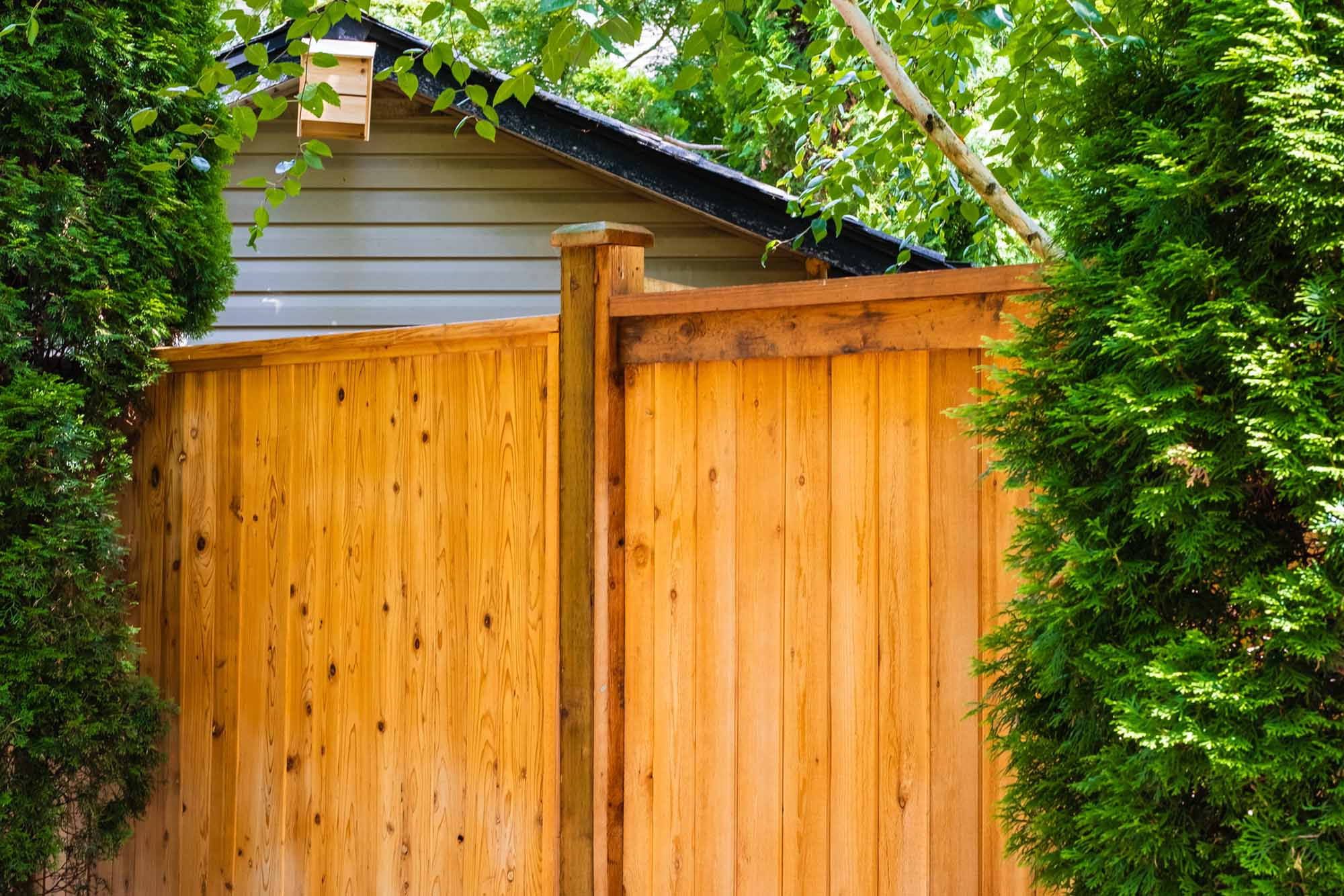
Certain materials come up repeatedly in Denver HOA fencing guidelines because they meet the durability and appearance standards most associations seek.
Cedar and Wood Privacy Fencing
Cedar remains one of the most commonly approved materials in Denver HOA communities because of its natural appearance and long track record with architectural committees. A well-built cedar fence also holds up against the wide temperature swings and dry air that come with the Colorado climate, provided the posts are reinforced to withstand the seasonal freeze-thaw cycle that can loosen them over time.
Ornamental Metal Fencing
Ornamental metal fencing tends to be easier to approve because open picket designs preserve sightlines between properties instead of creating a solid visual barrier. Aluminum and steel options hold up well against Colorado’s intense UV exposure without the fading or warping that some materials experience over time, and homeowners weighing the different types of ornamental fencing available often land on a powder-coated finish for its low upkeep.
Vinyl Fencing
Vinyl fencing is another material that shows up often on approved lists, largely because it holds a clean, consistent appearance without repainting or staining. Denver’s hard water and sprinkler overspray can leave mineral deposits on vinyl panels over time, and routine vinyl fence maintenance keeps the surface looking new well after installation.
What Happens If You Install a Fence Without Approval
Installing a fence before receiving HOA sign-off can create inconvenient and expensive consequences, even if the material and height would have been approved on paper. A homeowner who skips this step risks:
- Fines for the violation itself.
- A daily fine that accrues for every day the fence stays out of compliance, which adds up quickly on a project that could have cleared review in a few weeks.
- A formal violation notice on file with the association.
- An order to remove or modify the fence entirely, even after it’s already installed.
That kind of rework costs more than the original project, and it can also affect a home’s standing with the association during a future sale or refinance. Getting HOA fencing approval before the crew shows up keeps the entire process moving on a predictable timeline from the first application to the final walkthrough.
Let Marquez Fencing Take the Guesswork Out of Your HOA Fence
HOA fencing rules add a layer of paperwork to a project that already involves plenty of decisions, and Marquez Fencing has spent 20 years installing fences across HOA communities throughout the Denver area, which means this part of the process is second nature to our team.
Our in-house crew handles the site plan, material specifications, and any survey documentation your association requires, and because we never subcontract, the same team that prepares your paperwork is the one that shows up to install the fence. When you are ready to get started, request an estimate and let us handle the review process alongside the installation.