
A beautiful wood fence is one of the best ways to add privacy and value to your Front Range home. However, the clock starts ticking the moment a wooden post makes contact with the ground. If moisture sits against the wood, fungal decay sets in, leading to structural failure. To ensure your investment stands strong against the elements, you must know how to protect fence posts from rotting right from day one.
While wood rot is a common headache, preventing it isn’t a mystery; it comes down to proper material selection, smart drainage engineering, and professional installation techniques from an expert fence company that builds fences specifically for our unique climate.
The Marquez Difference:
“We don’t rely on big-box store inventory. Over our two decades in business, we’ve maintained direct access to a private lumber yard, allowing us to hand-select #1 quality materials for our cedar fence installation services. This wood naturally resists rot and insects better than standard commercial lumber.” — Antonio “Tony” Marquez, Founder
What are the Main Reasons Fences and Fence Posts Rot in CO?
While Colorado’s dry air might make you think wood rot isn’t a major issue, what happens beneath the surface tells a completely different story. Our unique combination of shifting soils and intense weather patterns create a perfect storm for below-ground structural decay if a fence isn’t installed perfectly. Understanding exactly what your fence posts are up against is the first step in finding out how to prevent fence posts from rotting.
Heavily Compacted Colorado Clay Soil
Unlike sandy soils that drain water rapidly, Denver’s infamous bentonite clay acts like a sponge. It holds onto moisture from rain and melting snow, keeping it trapped directly against your wooden fence posts for weeks at a time.
The Extreme Freeze-Thaw Cycle
When trapped moisture in the clay freezes during harsh winters, the soil expands and shifts. This continuous movement creates micro-gaps between the fence post and its footing, allowing spring snowmelt to pour straight down to the base of the post, which is exactly why finding expert fencing solutions is so critical to avoid a leaning line down the road.
Microorganisms and Soil Contact
Water is a primary actor in wood rot, but it isn’t the only culprit. In the damp, dark environs under your fence, wood decay fungus can thrive if spores leech through the soil. When raw wood is buried directly in dirt without proper barriers or treatments, these wood-destroying organisms eat away at the structural fibers.
Why is it So Important to Know How to Protect Your Fence Posts?
The posts are the skeletal system of your fence. If a few pickets rot, it’s an easy, low-cost fix. But if your below-ground posts rot, the entire structural integrity of the line is compromised. Here’s why it is important to know to protect your fence posts from rotting:
- Wind Vulnerability: High winds off the Rockies will easily snap a rotted post at the ground line. If you live in an exposed area, finding the right fence for high winds is critical to long-term stability.
- Cascading Damage: One leaning post puts immense structural weight on neighboring sections, warping your entire fence line over time.
- High Replacement Costs: Replacing rotted posts requires digging out massive concrete footings and resetting the entire framework, which costs significantly more than doing it right the first time.
5 Pro Tips on How to Protect Your Fence Posts from Rotting
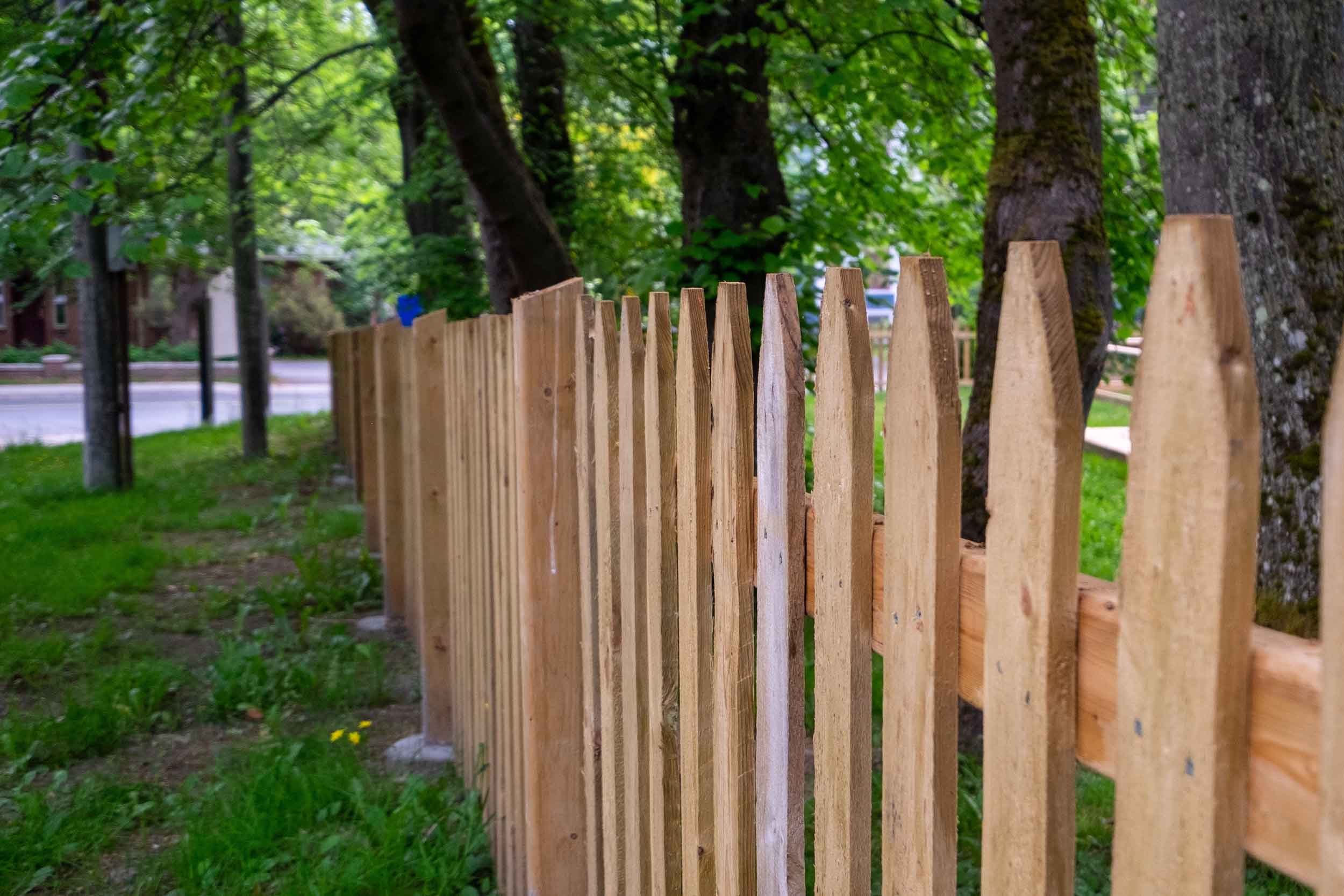
To build a fence that lasts for decades, you need an installation strategy that fights moisture at every level.
1. Start with Hand-Selected #1 Grade Cedar
Not all wood is created equal. Cheap wood has a high sapwood content, which rots rapidly. Always build with high-grade cedar containing a dense heartwood structure. Cedar contains natural oils that act as a built-in defense mechanism against rot, fungi, and boring insects.
2. Dig Past the Frost Line and Use Gravel Sub-Bases
Never place a wooden post directly on bare dirt inside a hole. A professional installer will dig deep, well past the local frost line, and pour a few inches of crushed gravel into the bottom of the hole first. This allows water to drain down into the earth away from the bottom of the post rather than pooling beneath it.
3. Slope the Concrete Footing Above the Ground Line
When pouring the concrete anchor, the mix should completely envelop the post and extend slightly above the grass line. The top of the concrete must be troweled into a smooth slope angled away from the wood. This crown ensures that rainwater sheds away from the seam rather than pooling at the wood-concrete joint.
4. Seal the Ground-Level Vulnerability Zone
The most critical area for rot is the groundline zone, which is where water, oxygen, and soil fungi meet to cause exacerbated decay. Applying a heavy-duty, exterior-grade wood preservative or specialized elastomeric sealant to this specific zone before setting the post creates an impermeable barrier against decay.
5. Schedule Regular Professional Staining
While the base faces the toughest battle underground, the rest of your post needs protection too. Applying a high-quality, seal-coating stain every few years seals the wood grains, preventing water absorption from heavy rain and blizzards.
POP OUT: “Marquez Fencing was wonderful… from the start to finish! Everyone was very professional, prompt, conscientious, and did an outstanding job! The quality of the materials to the workmanship was all excellent! We would highly recommend them! “ — Nina Fead, Colorado Homeowner
The Alternative: Maintenance-Free Privacy Options
If you love the look of a solid perimeter but never want to worry about wood rot, shifting soils, or staining schedules, it’s worth exploring the different types of fencing available today.
- Premium Vinyl fence installation: Completely immune to moisture rot, insect damage, and soil fungi. Modern premium vinyl is engineered with built-in UV inhibitors so it won’t crack under the intense Colorado sun.
- High-End Trex fence installation: Composite fencing brings the warm look of wood but utilizes dense recycled fibers that will never rot, warp, or split over time.
- Powder-Coated Ornamental metal fencing: Offers sleek, modern, clean lines with structural metal integrity that will never rust, warp, or rot regardless of soil conditions.
- Commercial Security & Containment: We also handle specialized, non-wood perimeters for a variety of properties. This includes standard commercial chain link fence installations, heavy-duty industrial safety fencing, reinforced security fencing at schools, and custom residential dog runs.
Secure Your Colorado Property with Marquez Fencing
Knowing how to protect your fence posts from rotting requires a combination of premium wood, careful drainage engineering, and dedicated craftsmanship. Taking shortcuts during installation might save a few dollars upfront, but it most often leads to a costly replacement down the road.
If you are ready to install a beautiful, durable perimeter built explicitly to weather the tough Colorado climate, or want to discuss flexible options like fence installation financing, trust an experienced, family-owned crew that handles everything in-house.
Get in touch today through our Marquez contact page to schedule your free consultation.