
When selecting a style for your new fence, the direction in which the boards are installed is more important than most homeowners realize. The debate between a vertical vs horizontal fence comes down to more than looks, as it affects durability, cost, privacy, and how well the fence holds up to Colorado’s climate. While vertical fencing has been the standard for decades, the horizontal fence is quickly becoming the go-to choice for Denver-area homeowners who want a modern upgrade. Here’s what you need to know before you decide.
Vertical vs Horizontal Fence: What’s the Difference?
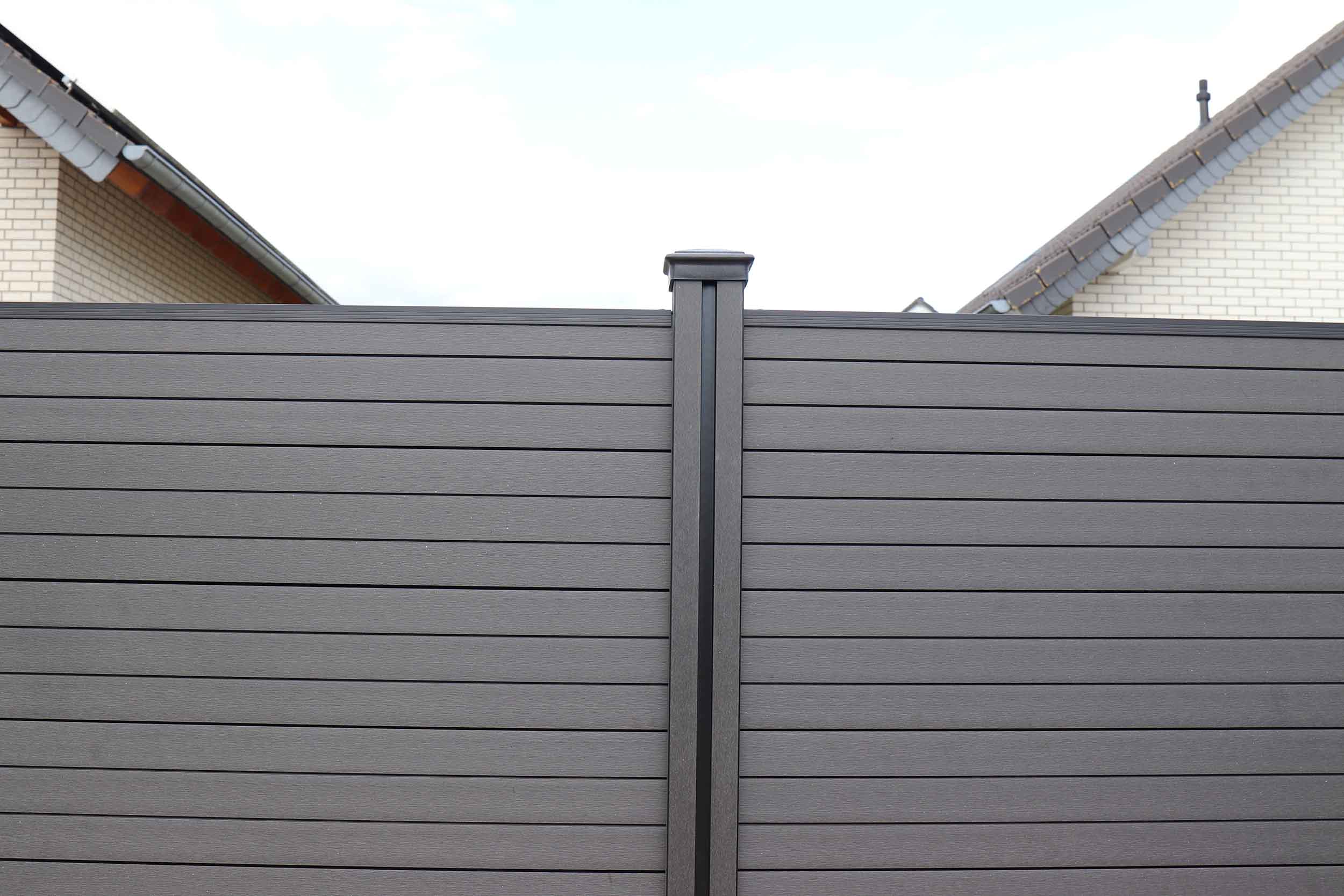
The simplest way to tell the difference is that vertical fencing has boards that run up and down, parallel to the fence posts. Horizontal fencing, on the other hand, has boards that run side to side in straight, parallel lines from one post to the next.
Traditional vertical board fencing has long been used in homes because it’s simple and affordable. The boards are arranged to overlap or sit side by side to form a private barrier. In comparison, horizontal fences are trickier to build because they need careful spacing between posts and higher-quality wood to prevent sagging as time passes. This extra effort is why it’s important to hire experienced, in-house workers for the job.
At Marquez Fencing, we handle both styles with the same permanent in-house labor model, no subcontractors, no shortcuts. Whether you want a classic look or something more contemporary, our team owns the entire process from site evaluation to final cleanup.
Why Is the Horizontal Fence Growing in Popularity?
Denver homeowners are choosing horizontal fences more often. Here are the three main reasons.
1. Modern Aesthetic Appeal
The simple, straight design of a horizontal fence works well with modern and contemporary architecture, unlike traditional vertical boards. The side-to-side pattern gives properties a sleek, intentional appearance that reads as a design choice rather than a default. In neighborhoods across Highlands Ranch, Lone Tree, and Washington Park, homeowners are using horizontal fencing to make a statement about the property as a whole.
We build horizontal fences using #1-quality cedar, which holds stain beautifully and delivers a premium finish. If cedar is on your radar, our cedar fence page walks through the profiles and options available for your home.
2. Perceived Height and Privacy
One of the lesser-known advantages of a horizontal fence is the way it enhances the visual appearance. The horizontal lines draw the eye along the length of the fence rather than up and down, making the structure appear longer, and the yard feel more expansive. At the same time, tight board spacing provides the same level of privacy protection as a comparable vertical fence.
For homeowners dealing with Colorado’s demanding weather, it’s also worth considering Trex fencing, which offers the same horizontal style without the maintenance demands of natural wood. Trex is engineered to resist fading, staining, and moisture year-round.
3. Curb Appeal and Property Value
A well-constructed horizontal fence is becoming more popular in the Denver real estate market. Buyers like updated fencing that matches current style trends, and installing a high-quality fence shows the property has been well taken care of. Take a look at our projects to see how we approach large-scale installations with the same craftsmanship we bring to every residential job.
Vertical vs Horizontal Fence: Pros and Cons
Before you commit to either style, it’s worth understanding what each one does well and where it falls short. Both vertical and horizontal fencing can deliver solid privacy and durability, but they perform differently depending on your budget, your home’s style, and the conditions on your specific lot. The comparisons below break it down to help you make a confident decision.
Pros and Cons of Vertical Fencing
- Lower material and labor costs: Vertical boards are simpler to install and require less precision, keeping the overall project cost down.
- Wider contractor availability: Most fencing crews are experienced with vertical installations, so it’s easier to find competitive bids.
- Better drainage: Water runs down vertical boards rather than sitting in horizontal seams, which can extend the lifespan of natural wood.
- Traditional look: Works well on classic and craftsman-style homes where a modern aesthetic would feel out of place.
- Limited design appeal: In competitive real estate markets, vertical fencing may not offer the same curb appeal as horizontal fencing.
Pros and Cons of Horizontal Fencing
- Strong curb appeal: The clean horizontal lines deliver a high-end, architectural look that complements modern homes.
- Versatile material pairing: Works beautifully with cedar, composite, and aluminum, giving you more options to match your property.
- Perceived expansion of yard space: The horizontal lines create a visual effect that makes yards feel wider and more open.
- Higher installation demands: Requires precisely set posts and higher-grade lumber to avoid sagging, which means the crew you hire matters more.
- Moisture management: Horizontal boards can hold moisture if not properly gapped and treated, something worth factoring in if your property is exposed to Colorado’s freeze-thaw cycles. Pairing the right material with your style choice matters, and fence for high winds is a good starting point if wind load is also a consideration on your lot.
Which Fence Style Is Right for Your Denver Property?
Choosing between a vertical vs horizontal fence ultimately depends on three factors: your budget, your home’s architecture, and how you plan to use the fence.
If you are working with a tighter budget or replacing an older fence on a larger lot, vertical fencing is a practical, dependable choice. It delivers solid privacy, holds up well to Colorado’s wind and freeze-thaw cycles, and keeps the project cost in check. It’s also the better fit for traditional or craftsman-style homes where a horizontal look might feel mismatched.
If you are investing in your home’s long-term value and want a fence that functions as a design feature, the horizontal fence is worth the additional cost. It reads as intentional, pairs well with updated landscaping, and holds its appeal as design trends continue to evolve. For commercial properties, HOA-regulated communities, or high-security needs, our team also installs industrial safety fencing that meets strict compliance and durability standards.
Still not sure? Our team is happy to walk your property and provide a no-pressure recommendation based on your specific goals, soil conditions, and HOA requirements.
Build Your Ideal Fence with Marquez Fencing
Whether you land on a vertical vs horizontal fence, the quality of your installation comes down to the crew that builds it. At Marquez Fencing, our permanent in-house team has spent over 20 years perfecting both styles across the Denver metro area from Castle Rock to Thornton and everywhere in between. We never subcontract, which means the same experienced professionals who show up on day one are the ones who sign off on your finished fence.
Ready to get started? Request a free, site-specific estimate, and let’s find the right style, material, and build approach for your property.