
A fence line rarely belongs to just one household. If the structure sits on or near the property boundary, both homeowners typically share the responsibility, and the cost, of keeping it standing. Replacing a shared fence brings up questions that a solo backyard project never does: who pays, who picks the material, and who takes the lead when opinions differ.
Getting accurate answers to these questions before the first post comes out of the ground can save a friendship, a budget, and a lot of back-and-forth with the HOA. Here’s what Denver homeowners need to know before replacing a shared fence, and how the right installer can carry most of that weight for you.
What Does It Mean to Replace a Shared Fence?
A shared fence is any structure that sits directly on, or very close to, the legal property line between two parcels. Both households benefit from it, so Colorado law generally treats both as stakeholders in its upkeep. Replacing a shared fence involves confirming where the line actually falls, agreeing on a design both households can accept, and coordinating a project that crosses two backyards instead of one.
Why Replacing a Shared Fence the Right Way Matters
Skipping the groundwork on a shared fence project tends to create problems that outlast the construction itself.
- Boundary Disputes: Building even a few inches over the line can trigger a legal encroachment claim from a neighbor down the road.
- Cost Fights: Without an agreement in writing, disagreements over who owes what can drag on for months.
- HOA Fines: A fence that doesn’t match approved height or style guidelines can bring violation notices to both properties.
- Strained Relationships: A poorly managed project is one of the fastest ways to turn a good neighbor into a distant one.
Who Pays for a Shared Fence Replacement in Colorado?
Colorado law establishes a legal presumption that neighbors split the cost of maintaining and repairing a shared boundary fence equally. In practice, this means both households are generally expected to contribute 50/50 toward replacing a shared fence that serves both properties, unless a prior agreement, deed restriction, or local ordinance says otherwise.
That presumption is a starting point for conversation, not a substitute for one. Confirming cost expectations with your neighbor early, ideally in writing, keeps the project moving and keeps both parties protected if a disagreement comes up later.
5 Steps to a Smooth Shared Fence Replacement
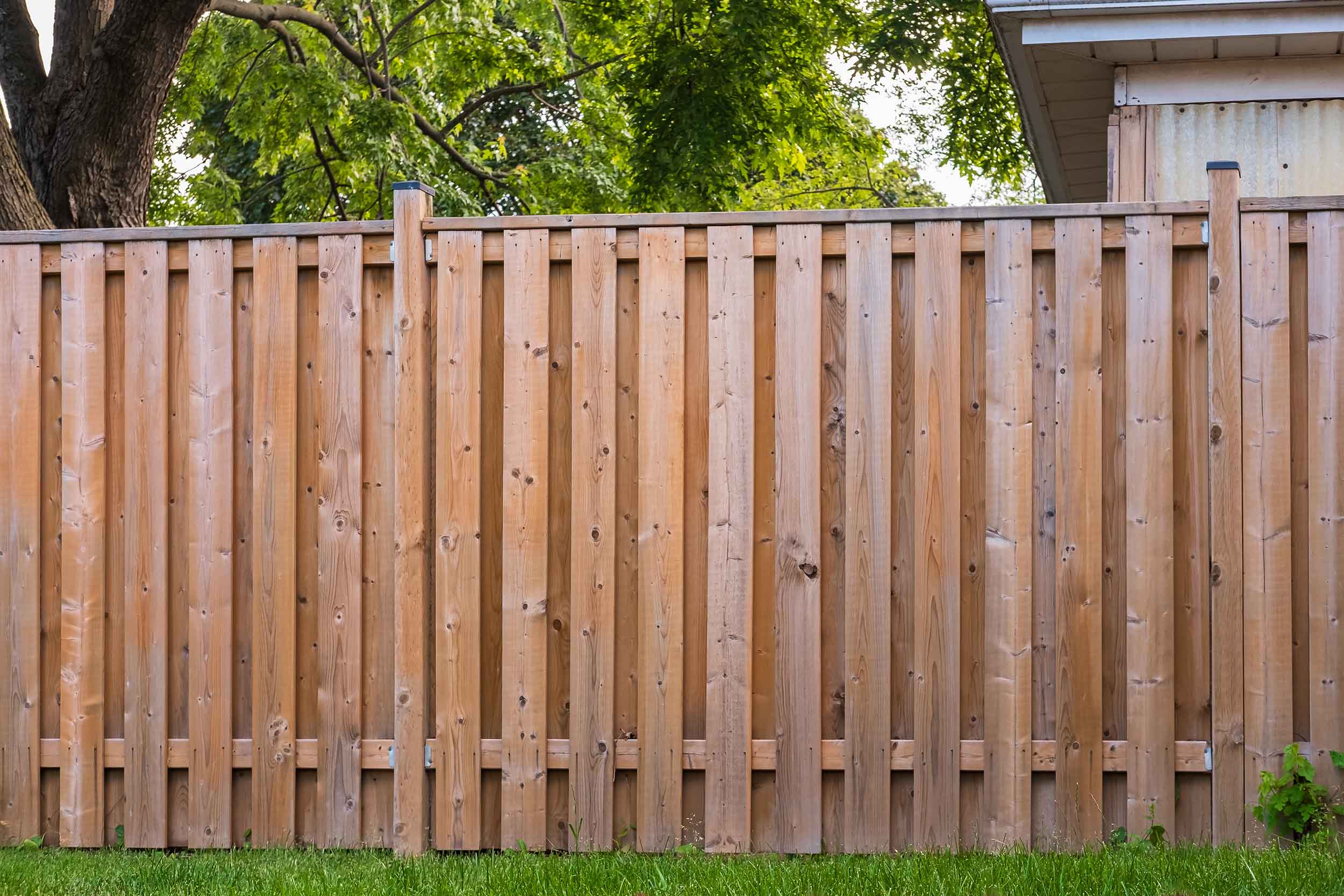
Replacing a shared fence goes far more smoothly when both households follow the same sequence.
1. Confirm the Boundary Line
Before any tear-out begins, pull the property survey or plat map, or have a professional locate the pins. This single step prevents the most common source of shared fence disputes: a new structure that unintentionally shifts onto a neighbor’s land.
2. Start the Conversation with Your Neighbor Early
Reach out before you’ve already picked a contractor or a material. Talk through style preferences, budget expectations, and timeline. A short conversation up front is far easier than a disagreement after the concrete is poured.
3. Handle HOA and Municipal Requirements
Most Denver-area HOAs and municipalities cap fence height and may require specific styles or materials. Both neighbors should check their covenant documents and pull any required permits before construction starts, since a violation on a shared structure can affect both properties.
This is one of the areas where working with an expert fence company pays off. Marquez Fencing reviews HOA architectural guidelines and manages the permitting process directly, so neither household is left guessing whether the new fence will pass inspection.
4. Choose Materials Built to Outlast the Argument
Cedar remains the most requested material for shared residential lines, prized for its warmth and privacy. For a boundary fence that has to serve two households for decades, the post foundation matters as much as the picket style. Standard wood posts set directly in soil are vulnerable to Colorado’s clay and freeze-thaw cycles, which can lead to leaning or rot years before either neighbor expects a repair bill.
Marquez Fencing offers a metal post upgrade for cedar fence installation projects: powder-coated, rust-resistant steel foundations that anchor the line against wind and shifting soil. It’s a practical way for two households to protect a joint investment for the long term. Homeowners in exposed areas may also want to review fences for high wind conditions before finalizing a design.
5. Plan for a Fast, Contained Installation
Construction disruption hits harder on a shared line, since both yards, both pet containment setups, and both gardens are exposed during the build. Ask any installer how they plan to protect flowerbeds, contain pets during tear-out, and clear nails and debris from both sides of the property. Marquez Fencing’s in-house crews complete most full tear-out and replacement projects in a two-day window, with attention to protecting landscaping on both sides of the line.
What if Your Neighbor Won’t Cooperate?
If a neighbor refuses to discuss cost-sharing or design, most disputes can still be resolved without litigation. Local community mediation services, an HOA board review, or, as a last resort, a small claims court filing citing the Partition Fence Law are the typical paths forward. Keeping written records of every conversation and quote from the start makes any of these routes easier to pursue if needed.
A contractor who documents scope, pricing, and timelines clearly from the first estimate gives both households a shared reference point, which tends to prevent disagreements from reaching this stage at all.
Replacing a Shared Fence on a Sloped or Uneven Line
Many Denver boundary lines run across rolling lots, not flat ones, which creates a design challenge standard fencing wasn’t built to solve. A traditional wood or vinyl fence installed on a slope often ends up stair-stepped, leaving gaps at the bottom that compromise privacy, security, or pet containment for both households.
Rackable ornamental metal fencing systems are built to adjust to grade changes without those gaps, following the natural contour of the land rather than fighting it. For neighbors sharing a boundary on uneven ground, this kind of engineering solves a problem that generic fence replacement advice rarely addresses.
Choose a Partner Who Removes the Risk for Both Sides
A shared fence project involves two households, two sets of expectations, and one crew walking through both yards. Marquez Fencing’s in-house employee model means the same accountable team handles the entire project from the first post to the final cleanup, with no subcontracted labor introducing delays or inconsistency on a line that both neighbors are counting on.
Between proactive HOA plan review, structural steel post upgrades, a two-day turnaround, and custom grading for uneven property lines, Marquez Fencing is built to manage the parts of a shared fence project that homeowners shouldn’t have to sort out alone.
Replace Your Shared Fence with Marquez Fencing
Replacing a shared fence works best when both neighbors have a clear plan for the boundary, the cost split, the material, and the installation itself. Marquez Fencing has spent over 20 years helping Denver-area neighbors handle every piece of that process, from HOA paperwork to a finished fence line built to last.
If you and your neighbor are ready to move forward, reach out through our contact page to schedule a free consultation.