
When the first frost settles over the Front Range, your fence project can keep right on moving. Winter fence installation is one of the smartest moves you can make for your property, because a fence our crews build in November or January is every bit as strong, sturdy, and beautiful as one we build in July. It also carries the same two-year warranty. With the right equipment, a cold-weather concrete mix, and a team that has worked through 20 Colorado winters, the colder months become another productive season for your project.
This guide walks through what winter fence installation looks like in the Denver metro, why fall and winter offer real advantages, and the structural techniques that keep a cold-season fence standing for decades.
The Marquez Difference: Every Marquez fence goes up with the same in-house crew, the same #1 quality materials, and the same craftsmanship standards, whatever the month on the calendar. The only service we pause during the colder months is staining, and we invite every winter customer back in spring to finish their fence with a protective coat.
What Does Winter Fence Installation Look Like on the Front Range?
Winter fence installation follows the same process as a summer build, with a few cold-weather adjustments that our crews have refined over two decades. We still tear out the old fence, dig deep post holes, set posts in concrete, and hang pickets or panels with the same precision. The adjustments come down to how we handle the ground and how we help the concrete cure. Both are worth understanding, because they explain why a properly built winter fence performs exactly like a warm-weather one.
Frozen Ground Stays Near the Surface
In most Front Range winters, frozen soil stays in the upper layer of the ground, and our frequent sunny days thaw that layer between cold snaps. Gas-powered and hydraulic post-hole augers cut through the frozen crust with ease, giving our crews access to the workable soil below. Once we’re past the surface, digging moves at the same pace as any other time of year. That’s why a little snow on the lawn rarely slows a Marquez project down.
A Cold-Weather Concrete Mix That Sets with Confidence
Concrete needs the right conditions to cure into a solid footing, and cold temperatures can slow that chemical process. To keep our footings just as strong in winter, we add a special cold-weather ingredient to our concrete mix that helps it set properly in lower temperatures. This step gives every post the same firm, durable anchor it would receive on a warm summer afternoon. For you, that means a fence that won’t move in the Colorado wind from the day we pack up.
5 Reasons Fall and Winter Are Smart Seasons for Fence Installation
Plenty of homeowners find that the off-season works in their favor once they look at the details. From easier scheduling to healthier lawns, here are five reasons to book your fall fence installation or winter replacement now.
1. Shorter Waitlists and Faster Scheduling
Spring and summer are peak fencing season across the Denver metro, and waitlists grow quickly once the weather warms. When planning a winter fence installation, schedules open up, so you can often get on the calendar sooner and move from estimate to installation with less waiting. Many of our full tear-outs and replacements wrap up in about two days, which means your new fence can be finished well before your neighbors start calling for spring quotes.
2. Dormant Lawns and Garden Beds Bounce Back Easily
Any fence project brings crew foot traffic and digging equipment into your yard. When your grass and plant roots are dormant, they handle that activity far better and recover quickly once spring arrives. Our crews still protect your plants and clean up thoroughly, but the dormant season gives your yard an extra head start on looking its best when the growing season begins.
3. Your Fence Is Ready Before Spring Windstorms Arrive
Colorado’s late-winter and early-spring winds are notoriously hard on aging fences. Replacing a leaning or weakened fence in the colder months puts a sturdy, freshly anchored perimeter in place before those gusts roll in. If your home sits in an exposed area, pairing a winter install with a privacy fence built for high winds is one of the best ways to protect your property and avoid emergency repairs.
4. A Secure Yard for New Pets and Holiday Puppies
Many families welcome a new dog over the holidays, and a secure yard makes that transition much easier for everyone. A winter fence installation gives your new pet a safe place to play from day one. For larger breeds or especially active pups, a custom dog run adds another layer of security and peace of mind.
5. The Same Two-Year Warranty, Every Season
We stand behind our winter work in writing. Every fence we install in fall or winter is covered by the same two-year warranty we offer on our warm-weather projects. You receive the same materials, the same crews, and the same standards, along with the same protection for your investment.
Who Benefits Most from Installing a Fence in Winter?
Installing a fence in winter makes sense for nearly any property owner, but a few groups stand to gain the most. Homeowners in HOA-governed communities appreciate the extra time to secure design approvals before the spring rush. Investment-minded homeowners who want a long-lasting cedar or ornamental fence can lock in their project and enjoy it as soon as the snow melts. Property managers and commercial clients, including churches, schools, and local businesses, benefit from a fast turnaround during a quieter season with fewer disruptions to tenants and visitors. Owners of sloped or uneven lots also come out ahead thanks to our terrain-adaptive systems, which we cover below.
How Marquez Builds Winter Fences That Stand Strong for Decades
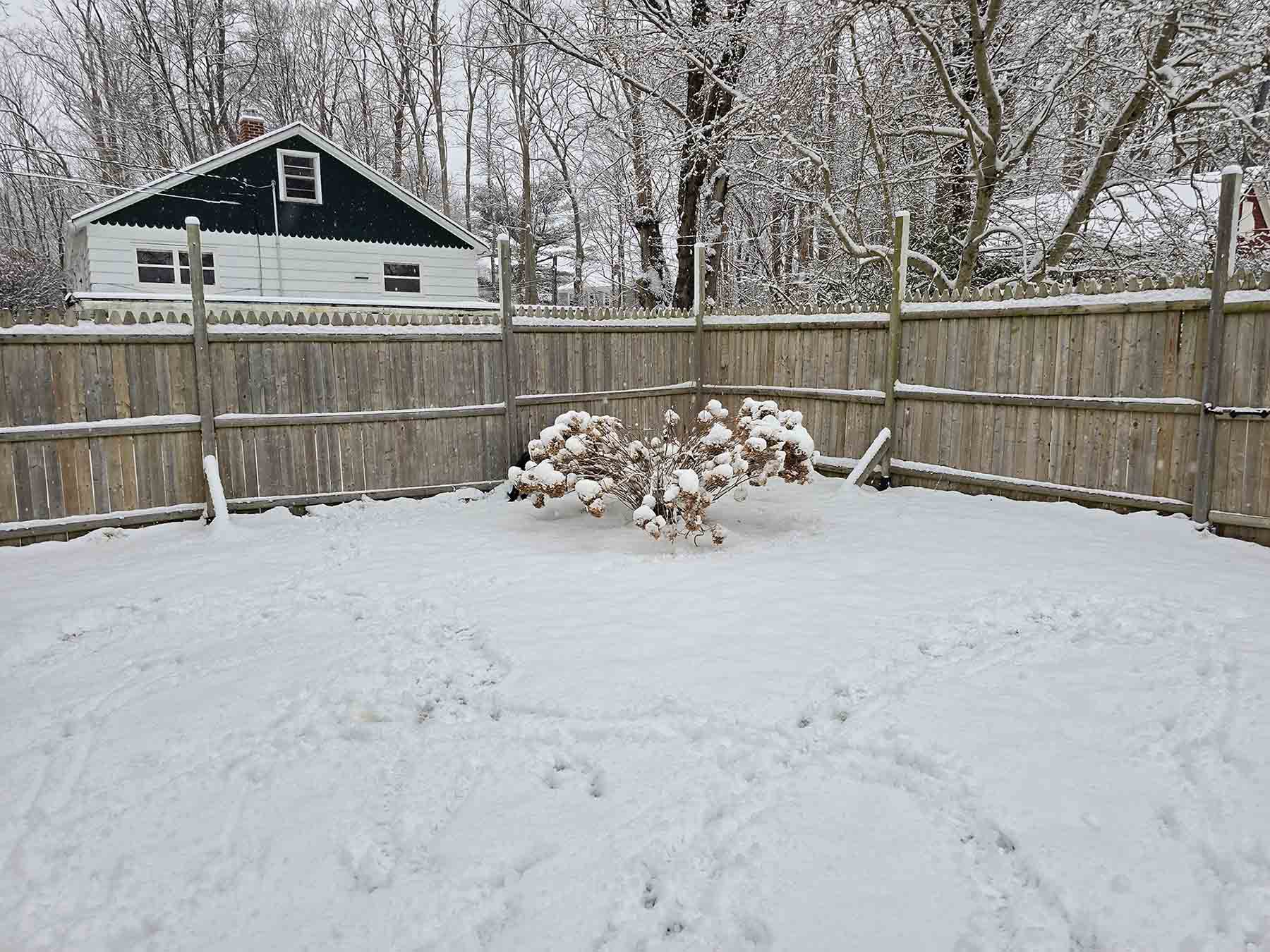
A fence proves its value over years of freeze-thaw cycles, shifting clay soil, and high winds. Our approach combines in-house craftsmanship with structural upgrades designed specifically for Colorado conditions, so a winter fence installation produces the same quality as one installed during the dog days of summer. Here are the four building blocks behind that durability.
In-House Crews with 20 Years of Colorado Winters Behind Them
Our crews are part of the family, and many have been with us for years. Because we never subcontract, the team that arrives at your home is the same well-oiled machine that has been perfecting fences across the Denver metro for over 20 years, including plenty of snowy Januaries. That experience shows up in the details: careful handling of cold materials, precise post placement, and a thorough cleanup that leaves your property looking cared for. We own the process from the first tear-out to the final walkthrough, so you always know exactly who is accountable for your fence.
36-Inch Bell-Shaped Footings Below the Frost Line
Frost heave happens when moisture in the soil freezes and expands, pushing upward on anything that is set too shallow. To counter this push, our crews dig post holes 36 inches deep (below the regional frost line) and shape the bottom of each hole into a wider bell. When concrete fills that bell, it forms an anchored base that grips the surrounding soil and resists the upward pressure of freezing ground. The result is a fence line that stays straight and level season after season through Colorado’s freeze-thaw swings.
Metal Post Foundations for Cedar Privacy Fences
Throughout the winter months, wood posts sit in cold, wet soil that holds moisture right at the ground line, and over time that trapped moisture is what starts base rot. For homeowners who want the warmth of cedar fence installation with added longevity, we offer a metal post foundation upgrade. Rust-resistant metal posts carry the structural load while your cedar pickets and rails deliver the classic look you love. This upgrade keeps the frame steady through freeze-thaw cycles and Front Range wind seasons, and it pairs naturally with the other steps you can take to protect your fence posts from rot.
Rackable Systems for Sloped and Frozen Terrain
Sloped yards are common across Denver’s suburbs, and winter is no time to start regrading frozen ground. Our rackable ornamental aluminum fencing and custom cedar systems follow the natural contour of your property, so the fence flows smoothly downhill with no stair-stepped sections or wide gaps at the bottom. That continuous line keeps pets and small children safely inside and gives your yard a clean, finished appearance. Because the fence adapts to the terrain, your existing grade stays exactly as it is.
How Cold Weather Affects Each Fence Material
Every fence material we install performs well in winter, and each one calls for its own handling. Our crews adjust their techniques to match the material, so you get the same result regardless of the season.
- Cedar: Our hand-selected #1 quality cedar installs beautifully in cold weather. Wood holds a bit more moisture in winter, so we recommend waiting for a stretch of warm, dry spring weather before staining, which lets the stain soak in and seal the grain properly.
- Ornamental aluminum: Powder-coated, rust-proof aluminum stays dimensionally stable through Colorado’s extreme temperature swings, which makes it an excellent choice for a winter project.
- Chain link: Standard and black-coated chain link installs efficiently in cold weather and remains a reliable option for commercial properties, athletic fields, and large residential lots.
Whichever material you choose, the footing, the craftsmanship, and the warranty stay exactly the same.
How to Plan Your Winter Fence Project: A Step-by-Step Guide
Planning a winter fence installation is straightforward when you know what to expect. Here’s how the process unfolds from your first call to your spring follow-up.
Step 1: Schedule Your Free On-Site Estimate
Every project starts with a free estimate, and our owner is involved in every job. During the visit, we walk your property line, talk through your goals, and show you physical samples so you can see and feel the difference between our Standard and Top-Notch cedar options or our ornamental aluminum styles. You’ll leave with an accurate quote and a clear picture of your project timeline.
Step 2: Let Our Team Handle HOA Plans and Permits
Holiday schedules can slow down HOA board meetings and municipal permit offices, which is why we start the paperwork early. Our team reviews your HOA’s fencing rules, confirms that your fence height, style, and materials comply, and prepares permit submissions for custom heights or designs ahead of time. That proactive approach keeps your project moving through the holidays and protects you from fines or forced changes later.
Step 3: Request Your Colorado 811 Utility Locate
Underground utility lines need to be marked before any digging begins. A free utility locate request through Colorado 811 takes care of that, and holiday weeks can add a little time to the process. We factor that window into your schedule, so installation day stays on track.
Step 4: Installation Day and Job-Site Restoration
On installation day, our in-house crew handles everything from demolition and haul-away of your old fence to setting posts with our cold-weather concrete mix and hanging the final pickets or panels. Many projects wrap up in about two days, and before we leave, we clean up thoroughly and protect your plants and lawn. When you work with Marquez, the only sign we were there is your beautiful new fence.
Step 5: Book Your Spring Staining Appointment
Staining is the one service we pause during the colder months, since stain needs warm, dry conditions to penetrate the wood and cure properly. We encourage every winter cedar customer to come back to us once spring settles in. A professional stain seals the grain, guards against moisture, and brings out the rich color of your cedar, so your winter fence looks and performs its best for years. Mark your calendar now, and we’ll be glad to finish what we started.
Start Your Winter Fence Installation Now and Enjoy It All Spring
Winter fence installation gives you a fence that’s just as strong, sturdy, and beautiful as any we build in summer. It’s also backed by the same two-year warranty and the same in-house crew. With 36-inch bell-shaped footings, a cold-weather concrete mix, metal post upgrades, and rackable systems for sloped yards, your new perimeter will be built to handle Colorado’s toughest seasons from day one. Booking now also means shorter waitlists and a finished fence well ahead of the spring rush.
If you’re ready to replace a tired fence or add privacy and security to your property, our family-owned team is here to help. Ask about our flexible financing options, then schedule your free estimate to get started. When spring arrives, we’ll be ready to add that finishing coat of stain.