
A new fence is not a small purchase, and most homeowners only go through this process once every decade or two. Between choosing a material, coordinating a schedule, and having a crew on your property for several days, it makes sense to want a clear picture of how it all unfolds before committing to anything. Getting a new fence installed can feel like a big unknown if you have never worked with a fencing contractor before. Knowing what to expect during a professional fence installation, from the first phone call to the final walkthrough, makes the process less stressful and helps you spot a quality contractor before you sign anything.
What to Ask Before Hiring a Fence Installation Company
Not every fence company runs its business the same way, and these answers can affect what to expect during a professional fence installation long before the crew shows up. It helps to ask a few key questions before signing a contract:
- Is the crew doing the work employed directly by the company, or subcontracted? This affects accountability if something goes wrong.
- How are estimates calculated, and does the price include permits and cleanup?
- How does the company handle HOA approval if your neighborhood requires it?
Here’s What to Expect During a Professional Fence Installation
Once you have chosen a contractor and settled on a vertical or horizontal fence, the installation process should usually be the same, no matter who does it. Here’s what to expect from a quality professional fence company.
Site Preparation and Layout Marking
Before any digging starts, the crew walks the property line and marks exactly where the fence will go. This step also includes locating buried utility lines, checking for drainage issues, and clearing brush, old fencing, or other debris that could get in the way. A clean, accurately marked site keeps the rest of the project on schedule.
Post Hole Digging and Setting
Post holes come next, and depth matters more than most homeowners realize. In Denver, local frost line requirements call for footings well below the surface so the ground’s seasonal freezing and thawing does not push the posts out of place over time.
Framing and Panel Installation
With the posts set, the crew installs rails and attaches the panels, pickets, or mesh depending on the material you chose. This is also where the finished look starts to take shape, and it is worth walking the yard while the crew works so you can flag anything that looks off before it is finished. If you are still deciding on a material, looking over fence-type options ahead of time helps this stage move quickly.
Cleanup and Final Walkthrough
Once the last panel is in place, a good contractor removes leftover materials, fills in any disturbed soil, and does a final sweep of the yard. Before the crew leaves, they should walk the fence line with you so you can check gate swings, spacing, and finish quality while everyone is still on site.
Tips on Getting Ready for Install Day
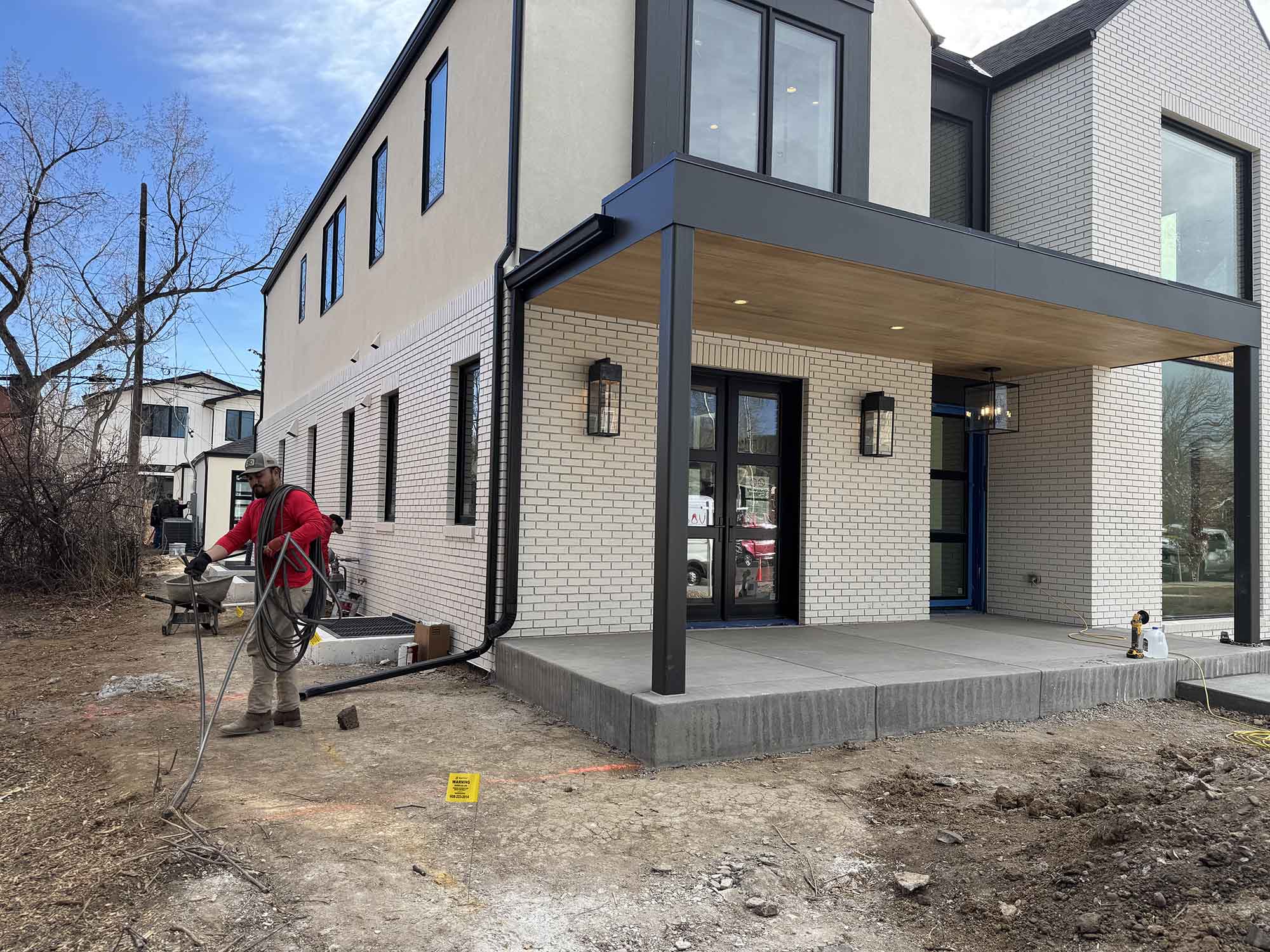
A little preparation on your end keeps things moving once the crew arrives. Most delays on install day come down to small things that could have been sorted out ahead of time, like blocked access or an unclear gate location. Taking care of these details in advance means the crew can focus entirely on the fence itself.
1. Clear the Fence Line
Walk the property line ahead of time and move any furniture, planters, or yard decorations out of the way. This gives the crew room to work and protects your belongings from getting damaged during digging and material staging. It also speeds up the site preparation stage since the team will not need to stop and move items themselves.
2. Give Your Neighbors a Heads-Up
If the new fence sits along a shared property line, let your neighbor know before work begins. A quick conversation can prevent confusion about noise, parked vehicles, or temporary access to their yard. It also helps avoid disputes later if the fence line needs to be confirmed or adjusted.
3. Confirm Gate Placement
Walk through where you want the gates to open and which direction they should swing before any digging starts. Changing gate placement after the posts are set usually means extra labor and cost. Deciding this early keeps the project on schedule and avoids rework.
4. Sort Out Payment Details
Ask your contractor how and when payment is expected, including any deposit required before work begins. If the upfront cost is a concern, ask whether flexible financing options are available to spread the payment over time. Knowing this ahead of install day keeps the final walkthrough focused on the fence itself rather than paperwork.
5. Plan for Your Pets
Keep dogs and other pets indoors or in a separate part of the yard while the crew is working. Open gates, staged materials, and unfamiliar noise can make it easy for a pet to slip out during installation. Once the fence and gates are finished and tested, it is safe to let them back into the yard.
How Long Does Fence Installation Typically Take
Timelines vary based on the length of the fence, the material, and the amount of prep work the site requires. Weather is also a factor in Colorado, since frozen or overly saturated ground can delay digging.
Permitting and HOA review, when required, usually add time before the crew ever sets foot on the property. Most residential projects move quickly once digging begins. It is still worth asking your contractor for a realistic timeline for your specific yard, rather than a general estimate.
What to Expect After Your Fence Installation Is Complete
After the final walkthrough, you should have a clear idea of what your new fence needs going forward. Maintenance depends on the material:
- Wood fences may need periodic staining to protect against sun and moisture, and the buried portion of each post is especially prone to rotting over time if that upkeep gets skipped
- Metal and vinyl options generally need little care beyond an occasional rinse
If you notice an issue with a gate, post, or panel in the weeks after installation, a reputable contractor will address it rather than leaving you to sort it out yourself.
Let Marquez Fencing Handle Your Installation
Marquez Fencing has been serving Denver homeowners for more than 20 years with an in-house crew and direct access to a private lumber yard for quality materials. Knowing what to expect during a professional fence installation makes it easier to choose a team you trust with the job, and you can request a free estimate to get that process started.